
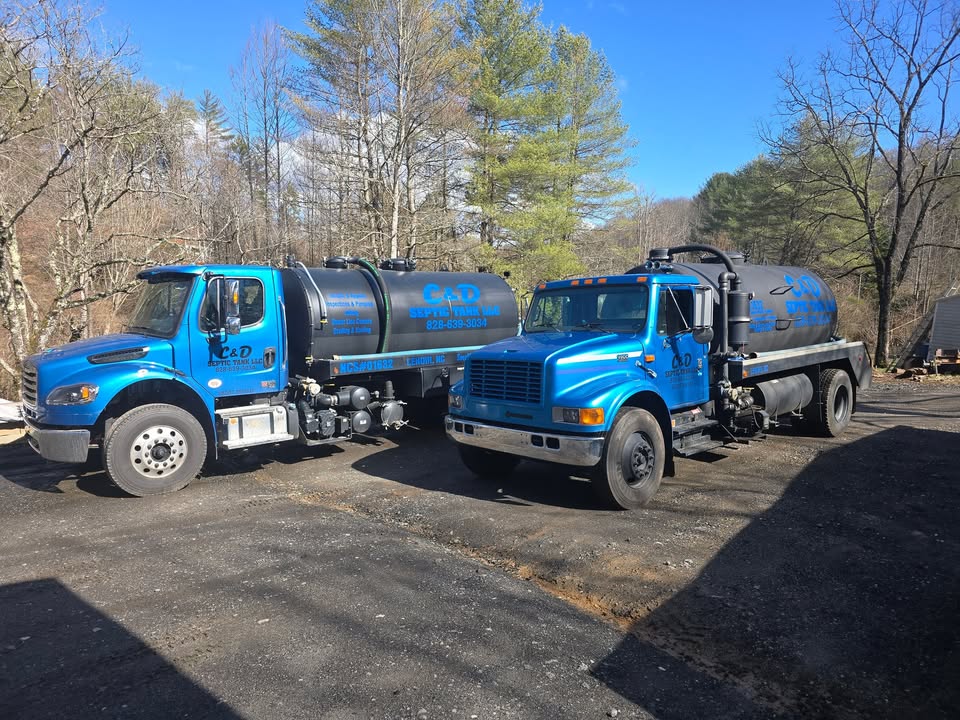
Routine pumping removes the solids and floating material that accumulate inside a septic tank. It is one of the most important steps in protecting the tank, outlet and drain field.
Why Regular Pumping Matters
- Reduces the risk of solids reaching and clogging the outlet or drain field
- Helps prevent an overfull tank from contributing to backups
- Provides an opportunity to observe accessible tank components
- Supports a practical long-term maintenance schedule
How Often Should a Tank Be Pumped?
There is no single interval for every property. Tank size, number of occupants, water use, garbage-disposal use and the amount of accumulated material all affect timing. If the service history is unknown, an inspection and pumping can provide a useful baseline.
Call Before a Backup
Slow drains, gurgling fixtures, sewage odors or wet ground can indicate a full tank or another system problem. Avoid opening or entering a septic tank yourself; septic tanks contain dangerous gases and require professional equipment.
Schedule Septic Tank Pumping
Tell us what you are experiencing and we’ll help you determine the right next step for your property in Western North Carolina.
Book Service Online
Prefer to book online? Use C & D Septic Tank’s Facebook booking option to request service.